Engineering and product writing from the Openaggr team

Why rule-based merchant matching breaks at scale, and how Openaggr builds category confidence from transaction signals alone.
All articles
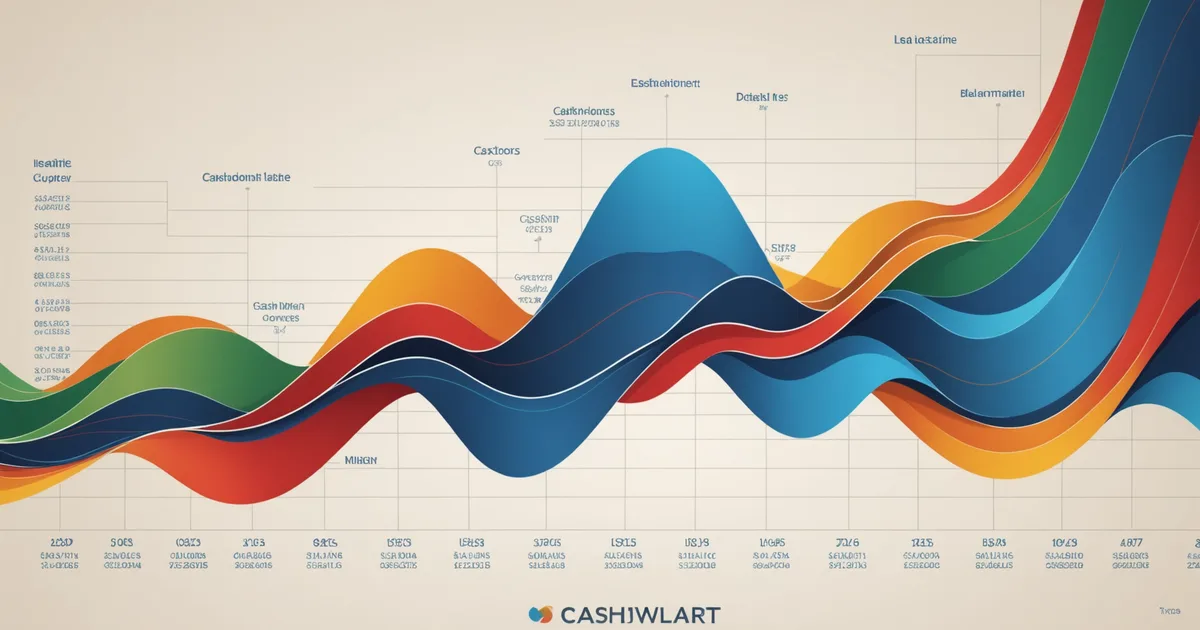
Most personal-finance dashboards show account balance history. That is the wrong data structure for spending insight.

We ran enrichment throughput tests at 5,000, 50,000, and 500,000 transactions per minute. Here is what we found.

Subscription detection is solved. The harder problem is irregular recurring: quarterly insurance, annual HOA, variable utility bills.

What a two-engineer team can ship in 30 days using an enrichment API versus building transaction intelligence in-house.

Raw payment processor strings look like AMZN*MKTP US AMZ123. How Openaggr normalizes these to structured merchant data.
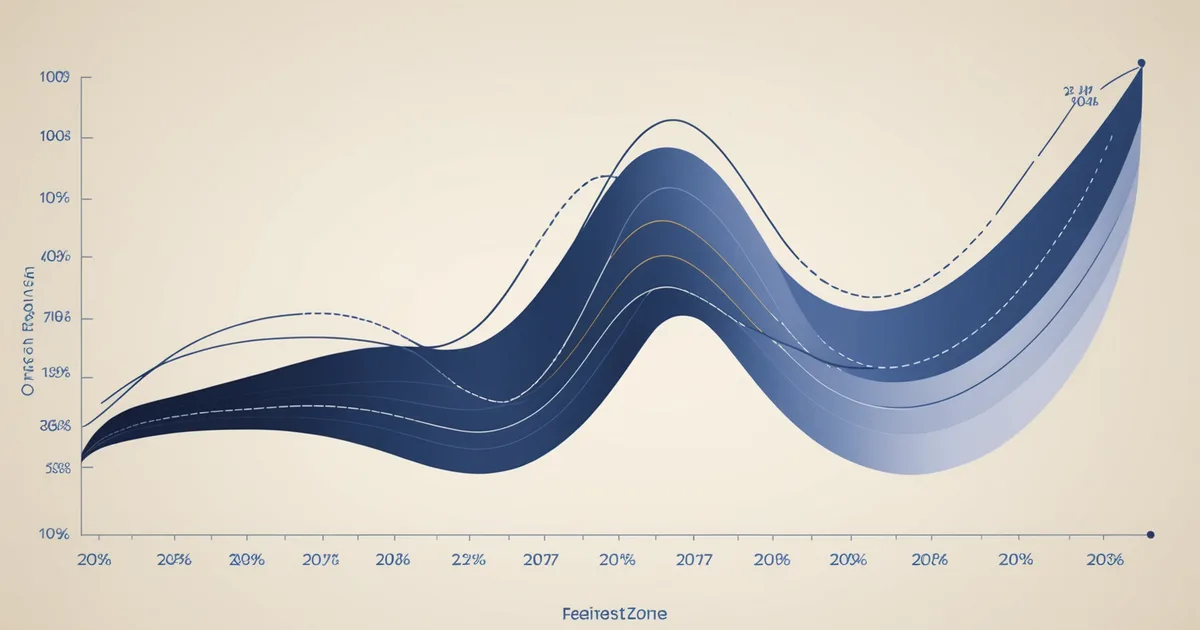
From raw transaction history to a 30-day spending forecast. The model choices that actually work for retail banking populations.

Open banking gives you transactions. It does not give you categories, merchants, or insight. That gap is where enrichment lives.

Every enrichment vendor claims high accuracy. But accuracy compared to what? How we approach ground-truth labeling.
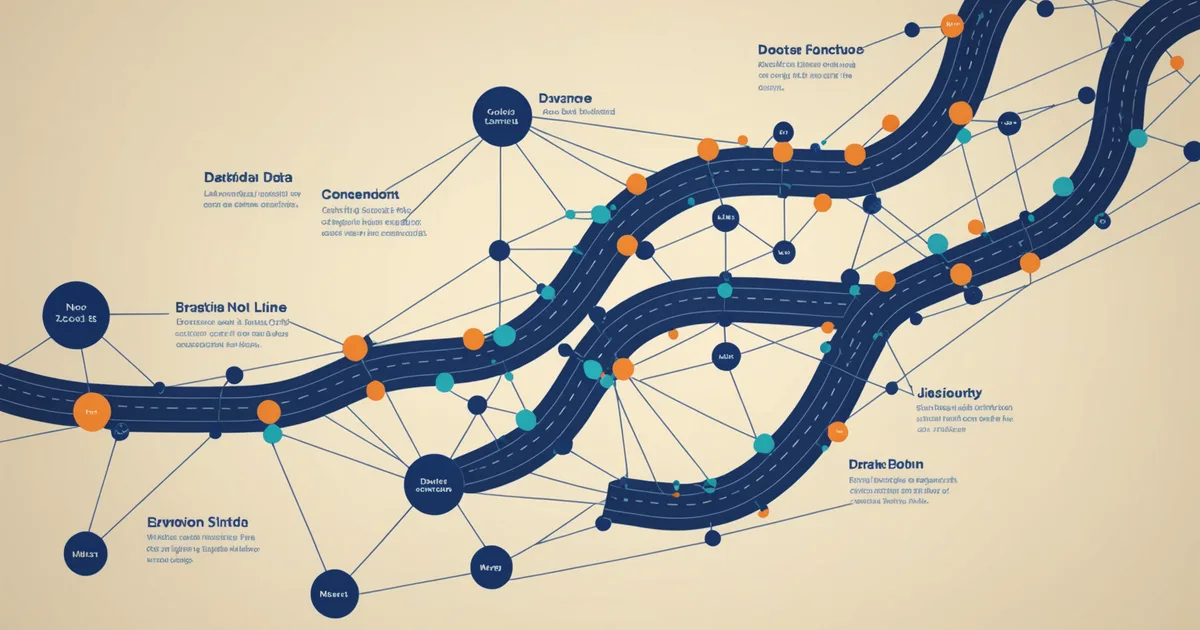
A practical walkthrough of connecting Openaggr enrichment to a mobile PFM app, including webhook setup and category icon mapping.

Hierarchical categories answer 'what kind of spending.' Tags answer 'why.' Building a PFM layer that supports both.

Split charges from rideshare, food delivery, and marketplace platforms create noise in cashflow views. How we detect and collapse them.

Why most category schemas are designed for accountants, not consumers, and what a user-first taxonomy looks like.

Every neobank ends up building the same transaction intelligence layer. We built it once so they do not have to.